

27th February 2026

by Brittany Delany
How Often Should You Service Your Car? Expert Tips from John Delany Motors
If you are wondering how often should you service your car, you are not alone. It is one of the most common questions drivers ask us, particularly as modern vehicles now use variable service indicators and extended maintenance schedules.
In most cases, vehicles should be serviced every 12 months or every 10,000 to 12,000 miles, whichever comes first. However, the correct interval depends on the manufacturer’s guidance, how the vehicle is driven and the conditions it is exposed to.
Understanding the right servicing schedule is essential for protecting reliability, safety and long-term running costs.
Why Regular Car Servicing Is Important
Routine servicing is preventative maintenance. It allows essential components to be replaced at the correct time and gives technicians the opportunity to identify early signs of wear before they develop into more serious faults.
Engine oil degrades through heat cycles and contamination. Even if a vehicle covers relatively low mileage, oil loses its lubricating properties over time. Reduced lubrication increases internal engine wear and can shorten engine life.
A structured service typically includes:
- Engine oil and filter replacement
- Brake inspection
- Steering and suspension checks
- Fluid level inspections
- Visual safety checks
Maintaining a consistent service history also supports resale value and helps ensure the vehicle remains in line with manufacturer standards.
For general guidance on why servicing intervals matter, the RAC provides useful information for UK drivers.
How Often Should You Service Your Car?
There is no single answer that applies to every vehicle, but most cars follow one of three common servicing patterns.
Annual Servicing
For drivers covering average annual mileage, a yearly service is usually appropriate. Even vehicles that travel fewer than 6,000 miles per year benefit from annual inspection because fluids, seals and rubber components deteriorate with time as well as mileage.
Low mileage does not remove the need for maintenance.
Mileage-Based Servicing
If you regularly exceed 10,000 to 12,000 miles within 12 months, servicing should be based on mileage rather than waiting for the year to pass.
Higher mileage increases wear on braking systems, tyres and suspension components. Even motorway driving, while less demanding than urban stop-start use, still contributes to general mechanical wear.
Manufacturer Service Intervals
Every manufacturer publishes a service schedule specific to each model and engine type. Some newer vehicles use onboard systems that monitor driving style and operating conditions to calculate when servicing is required.
When asking how often you should service your car, the manufacturer’s recommended schedule should always be your starting point. Servicing outside of those intervals can affect warranty coverage on newer vehicles.
If you are unsure of your vehicle’s recommended interval, it can be confirmed against the manufacturer’s specification.
What Affects How Often You Should Service Your Car?
Servicing frequency is influenced by how and where a vehicle is driven.
Short journeys
Repeated short trips prevent the engine from reaching full operating temperature. This can lead to condensation build-up in engine oil and accelerated deterioration.
Urban driving
Stop-start traffic places additional strain on clutches, braking systems and cooling components.
Vehicle age
Older vehicles may require closer monitoring as components naturally wear over time.
Driving conditions
Vehicles used for towing or carrying heavier loads experience increased stress on engine and suspension systems.
For drivers covering higher mileage or using their vehicle in demanding conditions, an interim service between full annual services may be appropriate.
Details of what is included in our servicing options can be found on our servicing and service packages pages.
What Happens If You Miss a Service?
Delaying a scheduled service increases the likelihood of minor issues developing into more significant mechanical problems.
Oil that is not replaced at the correct interval becomes contaminated and less effective. Brake components that are not inspected may wear beyond safe limits. Air and fuel filters can become restricted, reducing efficiency and performance.
Routine servicing also supports MOT readiness by ensuring key safety components are inspected in advance.
Regular maintenance is typically more cost effective than reactive repairs.
How Often Should You Service Your Car?
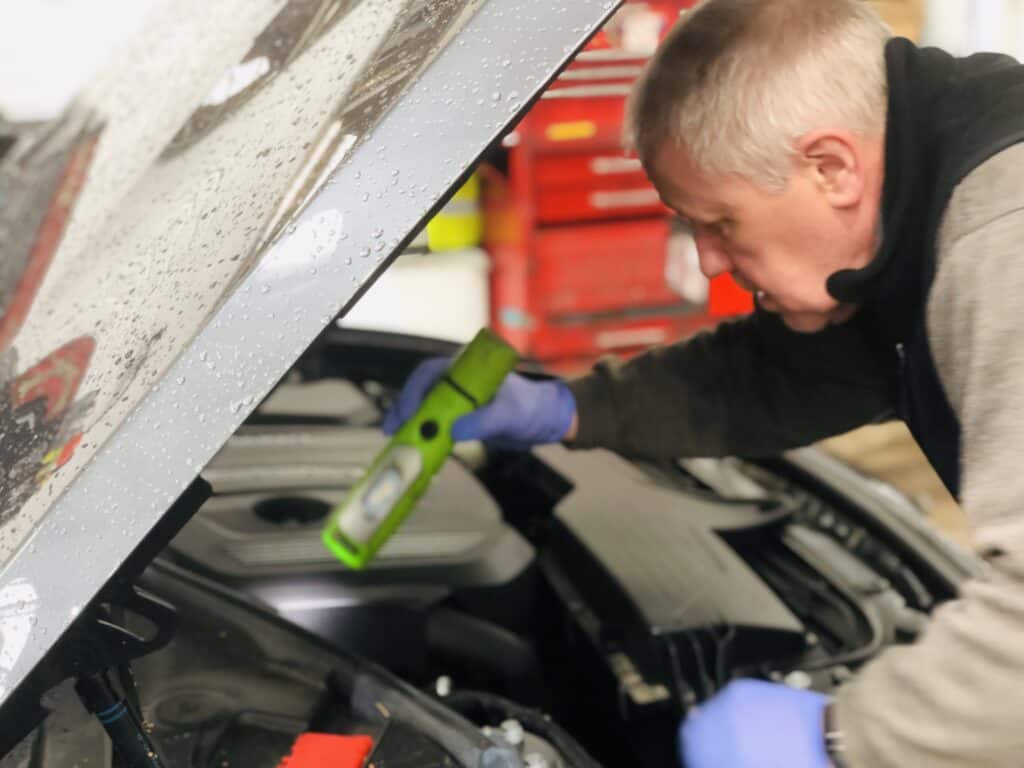
Driving patterns play a significant role in determining service intervals. Frequent short journeys, regular stop-start traffic or higher annual mileage can all increase mechanical wear compared to consistent motorway driving.
If you are approaching 12 months since your last service, or nearing your vehicle’s recommended mileage threshold, it is advisable to arrange an inspection.
If you are unsure how often you should service your car, reviewing your service history and current mileage is a sensible first step. Checking the manufacturer’s recommended schedule will also provide clarity on the correct interval for your vehicle.
Book Your Next Service with John Delany Motors
At John Delany Motors in Stockport, servicing is carried out in line with manufacturer guidance and structured inspection standards.
Whether your vehicle requires an interim, full or manufacturers service, ensuring it is maintained at the correct interval protects reliability and long-term performance.
You can arrange your next appointment through our online booking page or by phoning us on 0161 477 6266.
If you would like guidance on how often you should service your car based on your vehicle and driving habits, our team is always happy to advise.