

26th February 2026

by Brittany Delany
Should You Go Electric in 2026? A Mechanic’s Honest Opinion
Electric vehicles are becoming an increasingly common sight on UK roads. With expanding model ranges, improved battery technology and government targets shaping the future of motoring, many drivers are asking the same question: should you go electric in 2026?
From a workshop perspective, the answer is not simply yes or no. Electric vehicles have advanced considerably in recent years, but there are still practical and environmental considerations that need to be assessed carefully. A balanced decision requires looking at both the strengths and the limitations.
Why More Drivers Are Considering Electric Vehicles
Battery range has improved significantly across many manufacturers. Modern electric vehicles are capable of covering distances that suit most daily commuting and regular driving patterns.
Charging times have also reduced with the continued rollout of faster charging systems. While home charging remains the most convenient option for many owners, rapid chargers are becoming more widely available.
The driving experience is another key factor. Electric vehicles deliver immediate torque, smooth acceleration and a quiet cabin environment. For many drivers, the refinement and modern feel are appealing.
There can also be financial benefits in certain circumstances. Businesses operating company vehicles may see tax advantages when choosing electric models over petrol or diesel alternatives.
Further information about electric and hybrid systems, including how these vehicles operate, can be found on our electric and hybrid vehicles page.
The Advantages of Electric Vehicles in 2026
From a technical standpoint, there are clear strengths to current electric vehicle technology.
- Improved range compared to earlier generations
- Reduced charging times with fast charging availability
- Strong and immediate torque delivery
- Quiet and smooth driving characteristics
- Potential tax savings for business users
These developments reflect the significant investment that manufacturers have made in electric vehicle technology over the past decade.
The Challenges and Practical Considerations
A balanced view also requires acknowledging the limitations that remain.
- Charging infrastructure is still inconsistent in some areas
- Rapid charging at motorway services often comes at a premium cost
- Real world range may be lower than advertised, particularly when the vehicle is fully loaded or used in colder conditions
- Charging stops can extend overall journey time on longer trips
- When faults occur, repair costs can be high
- Vehicles are sometimes written off more easily due to concerns about potential battery damage
- Some drivers feel there is less mechanical engagement due to the absence of engine sound
These are practical considerations that should form part of any decision about whether you should go electric in 2026.
Environmental Considerations
Environmental impact remains one of the most debated aspects of electric vehicle ownership.
While electric vehicles produce no exhaust emissions, there are ongoing discussions about the environmental impact of battery production and disposal. Lithium mining and battery manufacturing are energy intensive processes.
Common concerns include:
- The environmental impact of lithium extraction
- The long-term recyclability of lithium battery packs
- Pollution generated during battery production and disposal
- Whether producing and disposing of EV batteries creates more pollution than producing petrol or diesel vehicles
- The fact that electricity generation in the UK still partly relies on fossil fuels
These factors do not automatically negate the benefits of electric vehicles, but they form part of the wider conversation around sustainability.
Is the UK Ready for Widespread Electrification?
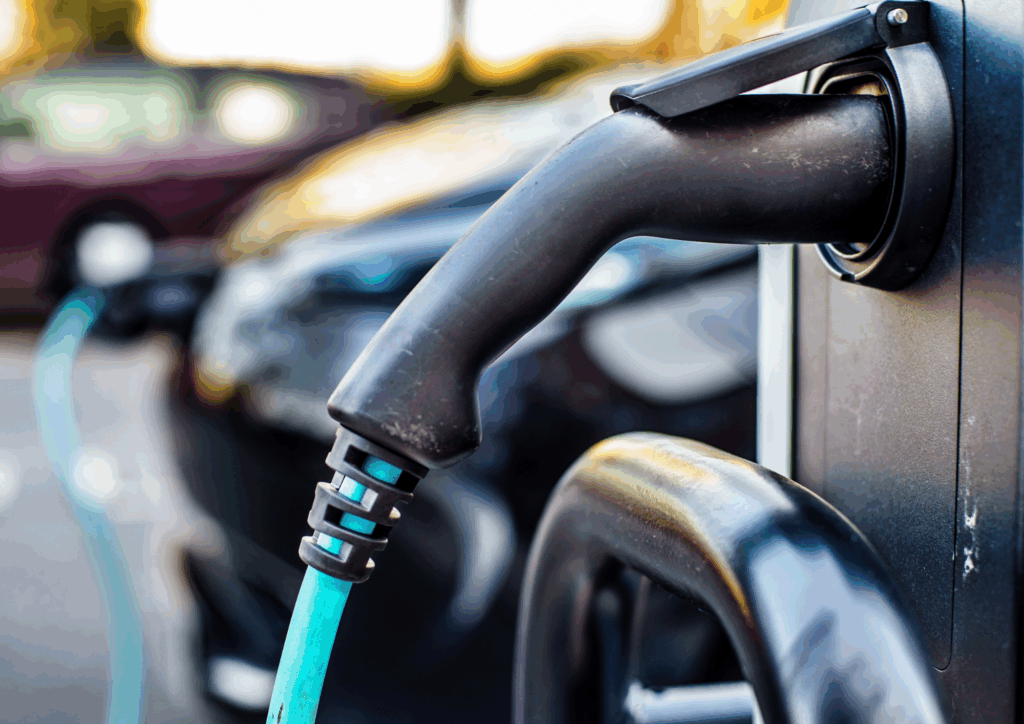
If electric vehicles become the dominant form of transport, infrastructure and grid capacity will require continued development.
Questions are often raised about whether the national grid has sufficient capacity to support large scale electrification without further investment. While infrastructure expansion is ongoing, it remains a key consideration in the long-term transition.
A Technician’s Perspective on the Future
Within the workshop, there is recognition that alternative fuel sources will likely play a role in the future of transport.
Steve, our Diagnostic Technician said; “I believe that an alternative fuel source is needed. The technology being developed around Hydrogen fuel cells is the way forward and will become a more sustainable method of transport for the future.”
Hydrogen fuel cell technology continues to develop and is viewed by some within the industry as a potentially more sustainable long-term solution.
Should You Go Electric in 2026?
The decision ultimately depends on how the vehicle will be used.
For shorter daily journeys with consistent access to charging, electric vehicles can be practical and efficient. For frequent long-distance travel, limited charging access or heavy load use, there may still be compromises to consider.
If you are considering an electric vehicle and want to understand how servicing, MOT testing and ongoing maintenance differ from petrol or diesel vehicles, further information is available on our electric and hybrid vehicles page.
When evaluating whether you should go electric in 2026, it is important to assess real-world usage patterns rather than relying solely on published figures or trends.
Electric vehicles continue to evolve, but the decision should be informed, realistic and based on individual requirements.