

25th March 2026

by Brittany Delany
Top Tips for Driving in Heavy Rain - April Showers
Driving in heavy rain is something most UK drivers will face regularly, particularly through the spring months. While it can seem routine, wet weather significantly changes road conditions and increases the risk of accidents if adjustments are not made.
Understanding how your vehicle behaves in these conditions, and making a few simple changes to your driving, can make a noticeable difference to safety.
Below are five practical tips to help when driving in heavy rain.
1. Make Sure Your Wipers Are Working Properly
Visibility is one of the biggest challenges when driving in heavy rain. If your wiper blades are worn or not clearing the windscreen effectively, your ability to react to hazards is reduced.
Wipers should clear water without leaving streaks or smearing. If they are making noise, dragging or missing sections of the screen, they are likely due for replacement.
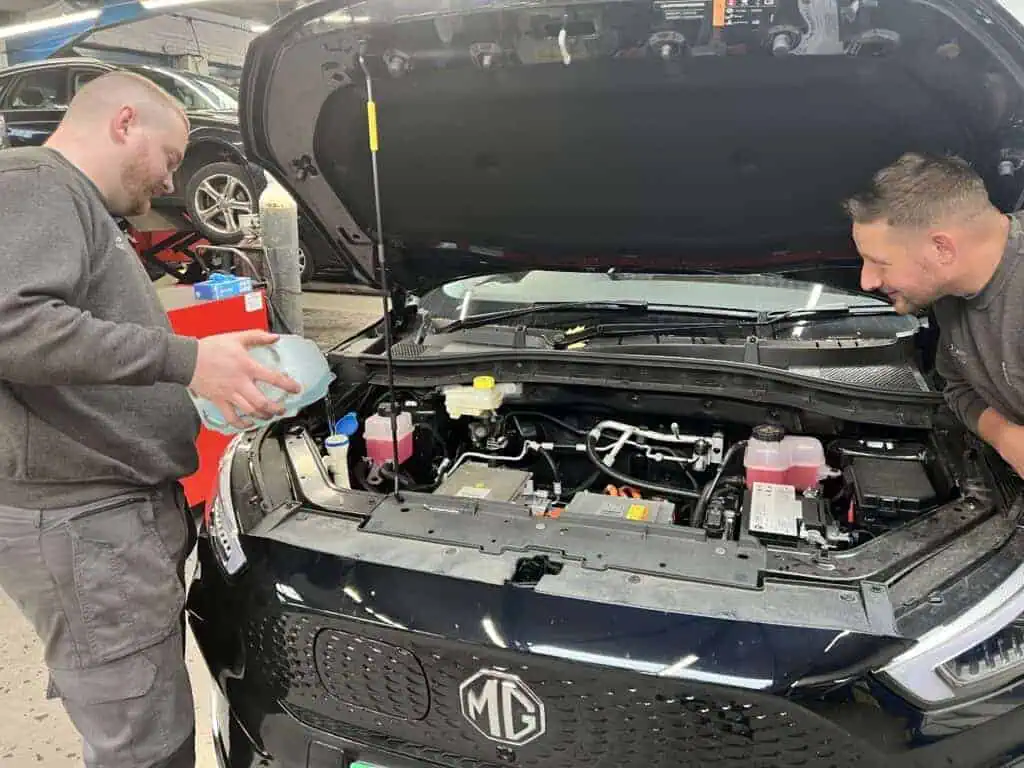
It is also worth ensuring your washer fluid is topped up and suitable for all weather conditions.
2. Increase the Distance Between You and the Vehicle Ahead
Wet roads reduce tyre grip, which means your stopping distance increases.
When driving in heavy rain, it is important to leave a larger gap between you and the vehicle in front. This gives you more time to react and reduces the likelihood of sudden braking.
Following too closely in wet conditions increases the risk of a collision.
3. Allow for Longer Stopping Distances
In wet conditions, braking performance is reduced. Water on the road surface limits the amount of grip your tyres can generate, particularly at higher speeds.
You should begin slowing down earlier than usual and avoid sharp or sudden braking where possible.
According to guidance from the Highway Code, stopping distances can at least double in wet conditions, so adjusting your driving accordingly is essential.
4. Use Your Lights
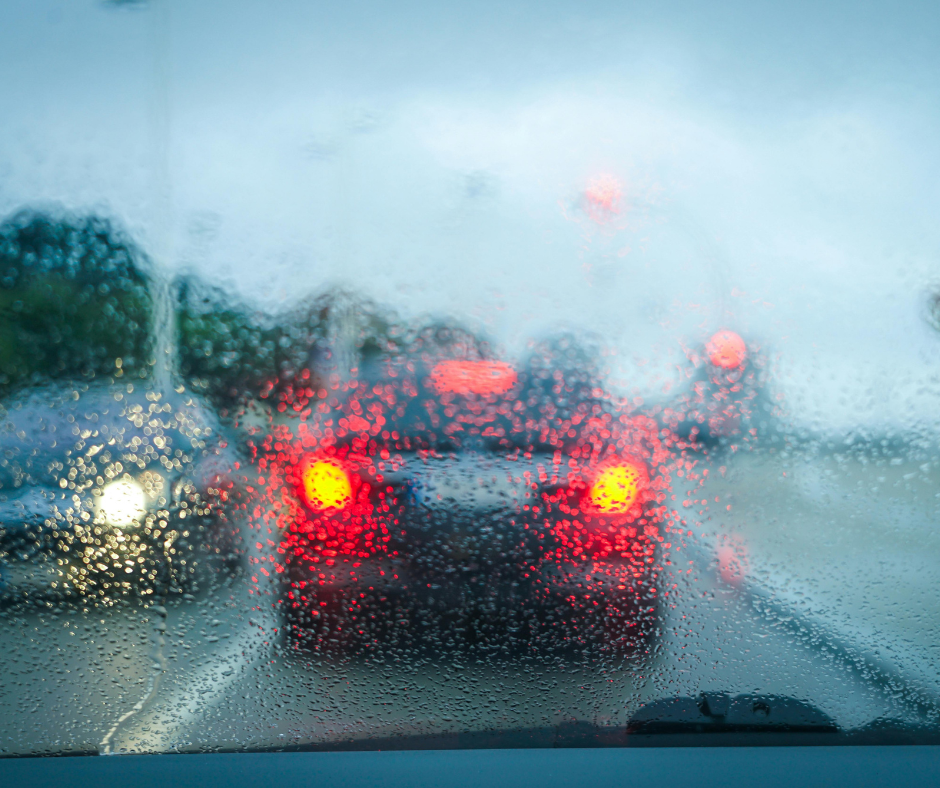
When driving in heavy rain, visibility is reduced not just for you, but for other road users as well.
Using your dipped headlights helps ensure your vehicle can be seen clearly by others. It is not just about what you can see, but making sure you are visible in low visibility conditions.
Automatic lights can help, but it is always worth checking they have activated when conditions change.
5. Avoid Deep Puddles
Standing water on the road can be more dangerous than it appears.
Driving through deep puddles at speed can lead to loss of control or damage to your vehicle. More seriously, if water is drawn into the engine, it can cause significant internal damage.
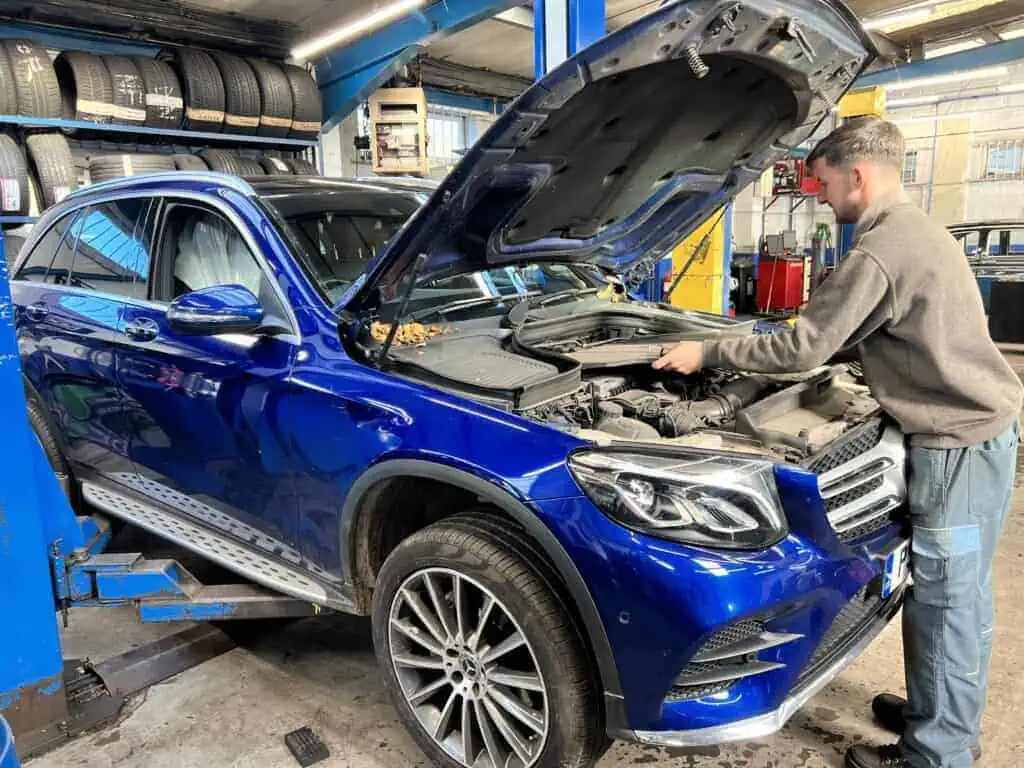
An engine requires a mix of air and fuel to run. Air is drawn in through intake systems, which on some vehicles are positioned relatively low within the engine bay. If water enters the intake and is pulled into the engine, it can cause a hydraulic lock. This can result in severe engine damage.
If you cannot clearly judge the depth of water, it is always safer to avoid it.
Staying Safe When Driving in Heavy Rain
Driving in heavy rain is largely about awareness and adjustment. Reducing speed, increasing distance and ensuring your vehicle is in good condition all contribute to safer driving.
Simple checks such as tyre condition, wiper performance and lighting can make a significant difference when conditions change.
If you are unsure whether your vehicle is prepared for wet weather driving, or would like key components checked before driving in heavy rain, you can book an inspection through our booking page.
Regular maintenance helps ensure your vehicle performs as expected, even in more challenging conditions.