

21st October 2026

by Brittany Delany
A6 and M60 Stockport: How Stop-Start Commuter Traffic Wears Out Your Clutch and Brakes
If you regularly drive along the A6 through Stockport or use the M60 during rush hour, you’ll know how much of your journey can involve slowing down, queuing and pulling away again. That stop-start driving means more frequent use of your brakes and, if you drive a manual car, your clutch. Over time, it can contribute to wear, particularly when combined with habits such as riding the clutch or braking sharply.
At John Delany Motors, we look after cars used for all sorts of journeys around Stockport, from short trips across town to daily commutes. Here’s what repeated stopping and starting can mean for your clutch and brakes, the signs worth watching for and how to avoid unnecessary wear.
Why Stop-Start Traffic Can Increase Wear
On a clear road, you can often travel for long stretches without using the brakes or changing gear. In slow-moving traffic on routes such as the A6 and around the M60, you may need to slow down and pull away repeatedly over a relatively short distance.
Brake pads work by pressing against the brake discs to slow the wheels, gradually wearing down their friction material. In a manual car, pulling away involves controlled slipping of the clutch before it fully engages. Both systems are designed for regular use, but the number of stops, the way you drive and the condition of the vehicle all influence how quickly they wear.
How Stop-Start Driving Affects Your Clutch
In a manual car, the clutch is used whenever you change gear or move away from a standstill. In heavy traffic, repeatedly moving a few metres and stopping again can mean using it much more often than on a steady journey.
The biggest issue isn’t simply pressing the pedal. It’s spending too long with the clutch partially engaged at the biting point, when the friction surfaces are slipping against one another. This generates heat and can accelerate wear, especially if the engine is being revved unnecessarily.
Driving Habits That Can Increase Clutch Wear
- Riding the clutch: Resting your foot on the pedal can put pressure on the release mechanism and, if the clutch partly disengages, cause additional slipping.
- Holding the car on the biting point: Using the clutch instead of the brake to stay stationary on a hill generates unnecessary heat and wear.
- Constantly creeping forward: Repeatedly moving a very short distance can keep the clutch slipping for longer than necessary.
- Keeping the pedal down during longer stops: This can place sustained load on the clutch release bearing, even though the friction plate is disengaged.
When you’re stopped for more than a brief pause, selecting neutral and securing the car with the appropriate brake can help reduce unnecessary load on the clutch mechanism. Leave a safe gap in slow-moving traffic where possible, so you can move smoothly rather than constantly edging forward.
Signs Your Clutch May Need Attention
Clutch problems can develop gradually, so you may notice a difference in how the car feels before it becomes difficult to drive. Common signs include:
- Engine revs rising without the car accelerating as expected, which can indicate clutch slipping.
- Difficulty selecting gears or a noticeable change in gear engagement.
- Juddering or shaking when pulling away.
- A burning smell after repeated clutch slipping.
- A change in the biting point, although this varies between vehicles and is not a reliable diagnosis on its own.
These symptoms can also have causes unrelated to a worn clutch friction plate, so an inspection is important before deciding what needs replacing. If a clutch replacement is necessary, the price will depend on the make and model of the car and whether other components need attention at the same time.
How Stop-Start Traffic Affects Your Brakes
Frequent slowing and stopping also means more use of the braking system. Each time you apply the brakes, the pads press against the discs and a small amount of friction material is worn away. In traffic, this happens more often than during a journey where you can maintain a steady speed.
That doesn’t mean every car used for commuting will wear through brake pads quickly. Vehicle weight, road conditions, braking style and the type of vehicle all matter. However, regularly accelerating towards queues and then braking heavily can add unnecessary wear compared with anticipating traffic and slowing smoothly when safe.
Signs Your Brakes May Need Checking
Brake pads and discs are wear items, but problems aren’t always obvious until you notice a change in the way the car stops. Squealing or grinding when braking, vibration through the pedal or steering wheel, a brake wear warning, or reduced braking performance are all reasons to have the system checked.
Not every squeal means the pads are worn, and vibrations can have several causes. Our existing guide explains the signs in more detail: How To Know If You Need New Brakes.
If braking performance is noticeably reduced, the pedal feels unusually soft or you suspect a serious fault, stop safely and arrange for the vehicle to be checked rather than continuing to drive.
What About Automatic, Hybrid and Electric Cars?
Automatic cars don’t have a clutch pedal, but some automatic gearboxes contain clutches internally. Different designs behave differently in traffic, and prolonged creeping can generate extra heat in certain dual-clutch transmissions. Follow the manufacturer’s advice for your particular gearbox rather than assuming all automatics should be driven in the same way.
Hybrids and electric cars often use regenerative braking to help slow the vehicle and recover energy. This can reduce use of the conventional friction brakes in some conditions, although brake pads and discs still need inspection and maintenance.
How to Reduce Clutch and Brake Wear on Your Stockport Commute
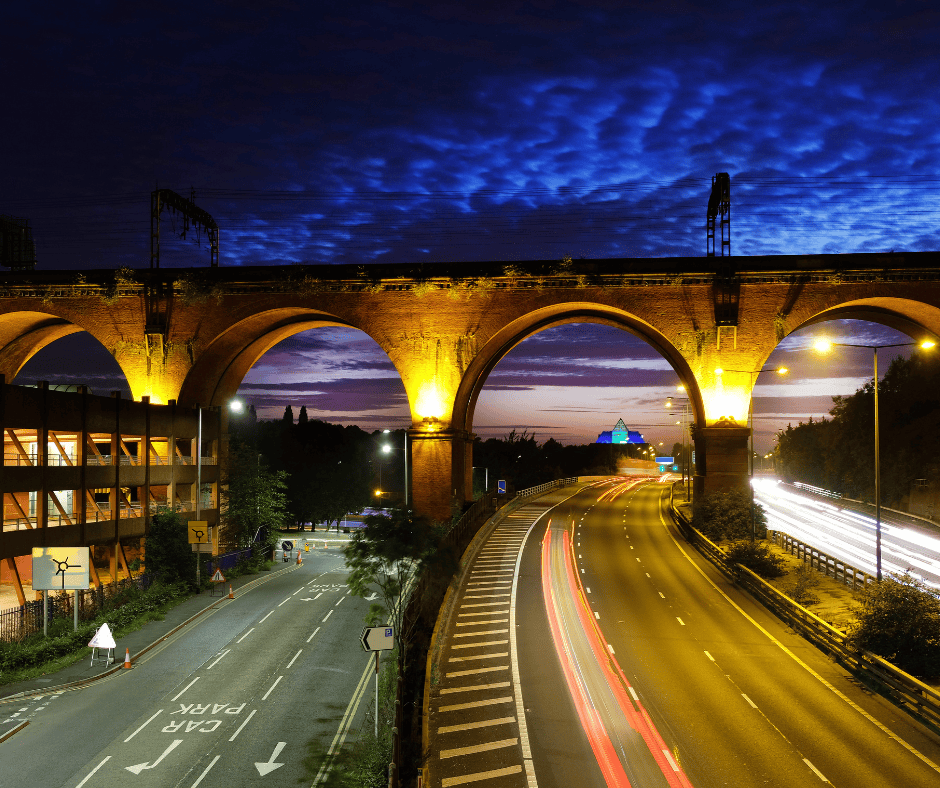
You can’t control the queues on the A6 or M60, but a few simple habits can help reduce avoidable wear without compromising safety.
- Look further ahead and leave a safe following distance so you can respond smoothly to changes in traffic.
- Ease off the accelerator in good time instead of accelerating towards stationary vehicles.
- In a manual car, avoid resting your foot on the clutch pedal or holding the car on the biting point.
- Use neutral and the appropriate brake for longer stops, rather than holding the clutch pedal down unnecessarily.
- Pay attention to new noises, clutch slipping, juddering or changes in braking performance.
- Keep up with servicing and inspections so wear can be identified before it becomes a larger problem.
Mileage doesn’t tell the whole story. A vehicle covering relatively few miles in heavy traffic may have a different pattern of clutch and brake wear from one covering longer distances on open roads.
Looking After Your Car When Driving Around Stockport
For many local drivers, slow-moving traffic is simply part of getting to work, collecting the children or travelling across Stockport. Although you can’t avoid every queue, understanding what repeated stopping and starting does to your car can help you drive more smoothly and recognise when something needs checking. At John Delany Motors, we inspect and repair clutches and braking systems for drivers across Stockport. If your clutch is slipping, your brakes are making unusual noises or your car feels different to drive, get in touch and we can investigate the cause and advise you on the next steps