

21st July 2026

by Brittany Delany
Petrol vs. Electric: Which Car Should You Buy in 2026?
Buying a new car is a bigger decision than ever. With petrol, hybrid and electric vehicles all widely available, many drivers are unsure which option is right for them. When comparing petrol vs electric cars in 2026, there isn’t a single answer. The best choice depends on how you use your vehicle, the journeys you make and what matters most to you.
Both petrol and electric vehicles have their advantages. Understanding the differences can help you make a more informed decision before you buy.
Consider How You Use Your Car
One of the first things to think about is how you use your vehicle every day.
If most of your journeys are short and you have access to home charging, an electric vehicle could be a practical option. If you regularly travel longer distances, cover high annual mileage or don’t have convenient access to charging, a petrol vehicle may still be the better choice.
Before deciding, ask yourself:
- How many miles do I drive each year?
- Do I mainly drive locally or travel longer distances?
- Can I charge an electric vehicle at home?
- Will I regularly rely on public charging?
The answers to these questions will often give you a good indication of which type of vehicle best suits your lifestyle.
Running Costs
Running costs are often one of the biggest factors when comparing petrol vs electric.
Electric vehicles are generally cheaper to run when charged at home, making them an attractive option for drivers covering regular daily mileage. However, if you regularly use public rapid chargers, particularly on longer journeys, charging costs can be significantly higher.
Petrol vehicles benefit from a well-established network of filling stations and can be refuelled in just a few minutes. While fuel costs can be higher over time, many drivers still value the convenience, particularly if they travel longer distances.
When comparing running costs, it’s important to look beyond fuel or electricity prices alone and consider how you’ll actually use the vehicle.
Servicing and Maintenance
Many people assume electric vehicles don’t require servicing, but that’s a common misconception.
Electric vehicles have fewer moving engine components than petrol cars, so they don’t require oil changes, spark plugs or timing belts. However, they still require regular maintenance to keep them safe and reliable.
Both petrol and electric vehicles should have routine checks, including:
- Brake inspections
- Suspension checks
- Steering inspections
- Tyre checks
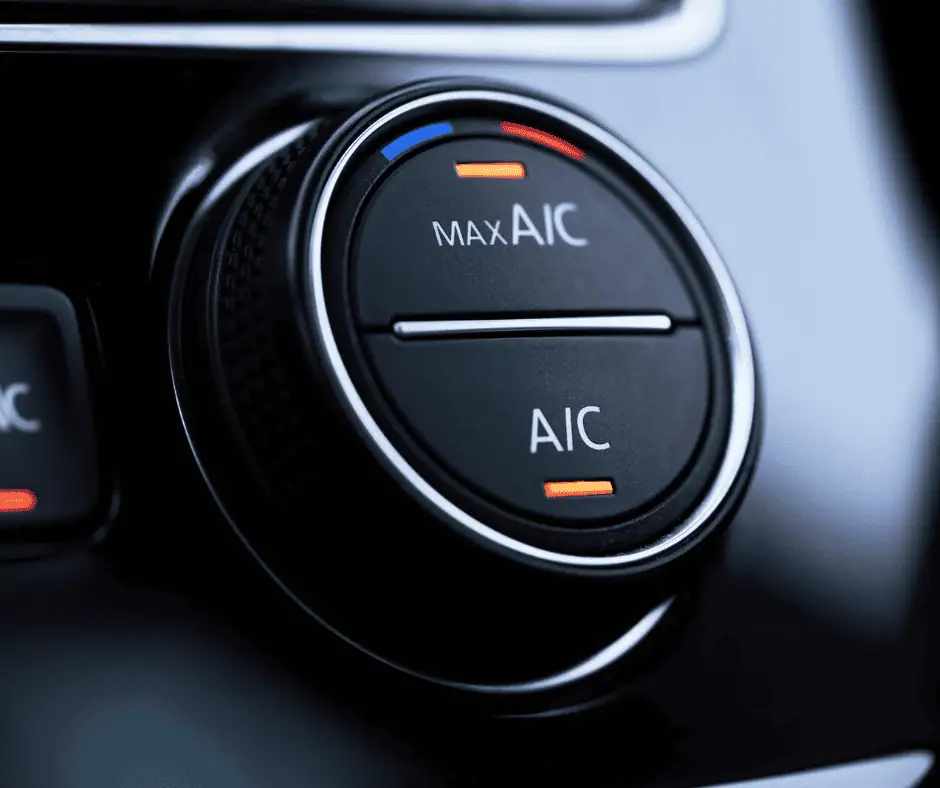
- Air conditioning servicing
- Cabin filter replacement
Petrol vehicles also require routine engine servicing in line with the manufacturer’s recommended schedule.
Whichever type of vehicle you choose, regular servicing remains one of the best ways to identify potential problems before they become more serious.
If you already own an electric or hybrid vehicle, you can find out more about our Electric and Hybrid Vehicle servicing.
Charging or Refuelling
Convenience is another important consideration.
Refuelling a petrol vehicle takes only a few minutes and filling stations are widely available throughout the UK.
Charging an electric vehicle depends on the charger you’re using. Home charging is often the most convenient and cost-effective option, while rapid public chargers can significantly reduce charging times when travelling longer distances.
If you’re considering buying an electric vehicle, Zapmap provides useful information on charging locations across the UK and can help you plan longer journeys.
Long Distance Driving

For drivers who regularly travel long distances, journey planning is an important consideration. Petrol vehicles offer predictable journey times with quick refuelling and widespread availability of filling stations.
Electric vehicles continue to improve in battery range and charging speed, but depending on the vehicle and route, longer journeys may still require planned charging stops.
For many drivers this won’t present a problem, but it’s worth considering how and where you’ll be using your vehicle before making your decision.
Should You Choose Petrol, Electric or Hybrid?
Every driver has different requirements, which is why there isn’t a single vehicle that’s right for everyone.
A petrol car may be the better choice if you:
- Regularly drive long distances.
- Want quick and convenient refuelling.
- Have limited access to charging.
- Prefer a traditional driving experience.
An electric car may suit you if you:
- Mainly make shorter daily journeys.
- Can charge at home.
- Want lower day-to-day running costs.
- Prefer a quieter driving experience.
A hybrid vehicle can provide a practical balance between petrol and electric driving, particularly if you want improved fuel economy without relying entirely on charging infrastructure.
Is a Petrol or Electric Car Better?
One of the questions we’re asked most often is whether a petrol or electric car is the better choice.
The answer depends entirely on how you use your vehicle.
For drivers covering shorter daily journeys with reliable home charging, an electric vehicle can offer lower running costs and a quieter driving experience. For those regularly travelling longer distances or who need the flexibility of quick refuelling, a petrol vehicle may still be the more practical option.
If you’re still weighing up the pros and cons, take a look at our guide to Should You Go Electric in 2026? A Mechanic’s Honest Opinion, where we explore some of the practical considerations in more detail.
Choosing the Right Vehicle
When comparing petrol vs electric, the right choice is the one that suits your lifestyle, driving habits and budget. Both technologies continue to evolve, and each offers its own advantages depending on how the vehicle will be used.
Whether you choose petrol, electric or hybrid, regular servicing remains one of the best ways to keep your vehicle safe, reliable and performing as it should. At John Delany Motors, we’re always happy to offer practical advice to help you look after your vehicle and keep it running smoothly for years to come.